
A chatbot is software that manages automated conversations with customers—on WhatsApp, on your website, or on Facebook—answering frequently asked questions, filtering inquiries, and routing to a representative when necessary. In 2026, there are two main types: rule-based chatbots that operate according to a rigid menu, and AI-based chatbots that conduct natural dialogue in Hebrew. Each type suits different needs and budgets—and sometimes the right solution is to upgrade to an AI agent that doesn't just answer, but also takes action.
What is a Chatbot?
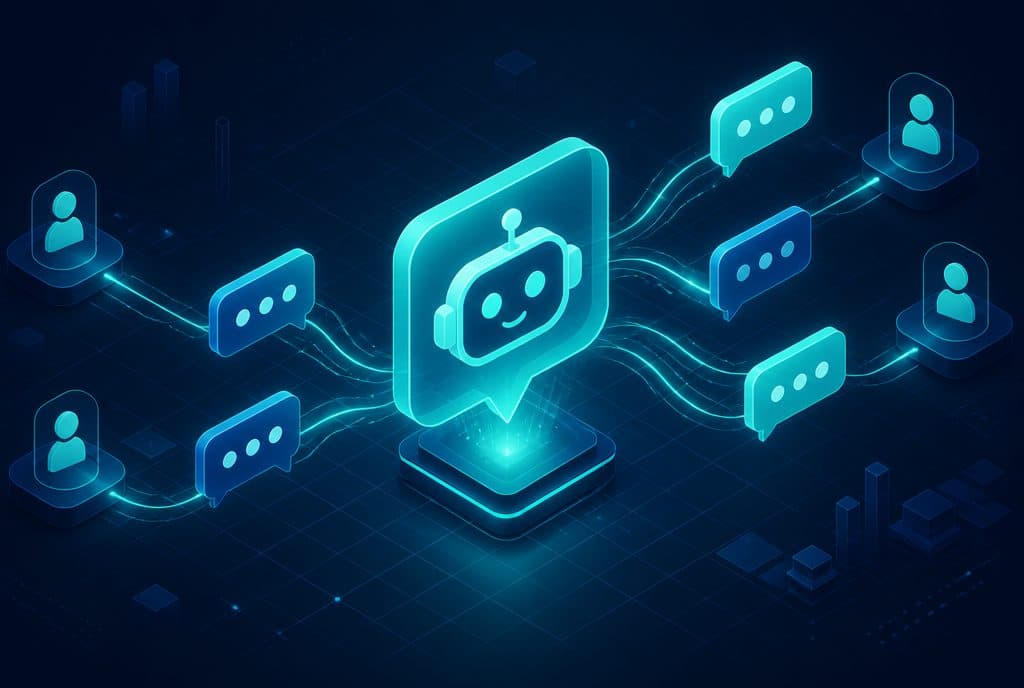
A chatbot is automated software that conducts text-based conversations with customers across digital channels—WhatsApp, website, Messenger—and returns information, answers questions, or routes to a human representative, without requiring a human to answer every message individually. The chatbot is always available, responds instantly, and allows the business to handle a large volume of inquiries without increasing headcount.
Simple chatbots operate according to rigid, pre-defined rules. The advanced chatbots of 2026 use Large Language Models (LLMs) and are capable of understanding natural language—but they all fall into the same category: they answer, they do not perform independent actions in systems.
Types of Chatbots
| Type | How it Works | What it Can Do | Main Limitation |
|---|---|---|---|
| Rule-based | Fixed menu of options | Answering FAQs, routing to a representative | Does not understand free language; gets stuck outside the script |
| Basic NLP-based | Keyword understanding | Searching for solutions by topic, dynamic FAQ | Partial understanding; struggles with complex questions |
| AI-based (LLM) | Large Language Model | Natural dialogue, understanding context, fluent Hebrew | Answers—but does not book appointments or write to the CRM |
| AI Agent | LLM + system integration | Dialogue + Action: CRM, calendar, documents | Higher price and setup time |
The most common type we see in the Israeli market in 2026 is still rule-based—a menu with buttons on WhatsApp. It works, but it is also where customers get stuck because they didn't choose the right option in the menu.
Chatbot vs. AI Agent—The Practical Difference
This distinction is important because in recent years the two terms have become blurred:
| Chatbot (including AI) | AI Agent | |
|---|---|---|
| Conversation Outcome | Answer, information, routing | Action: booking an appointment, writing to CRM, sending a catalog |
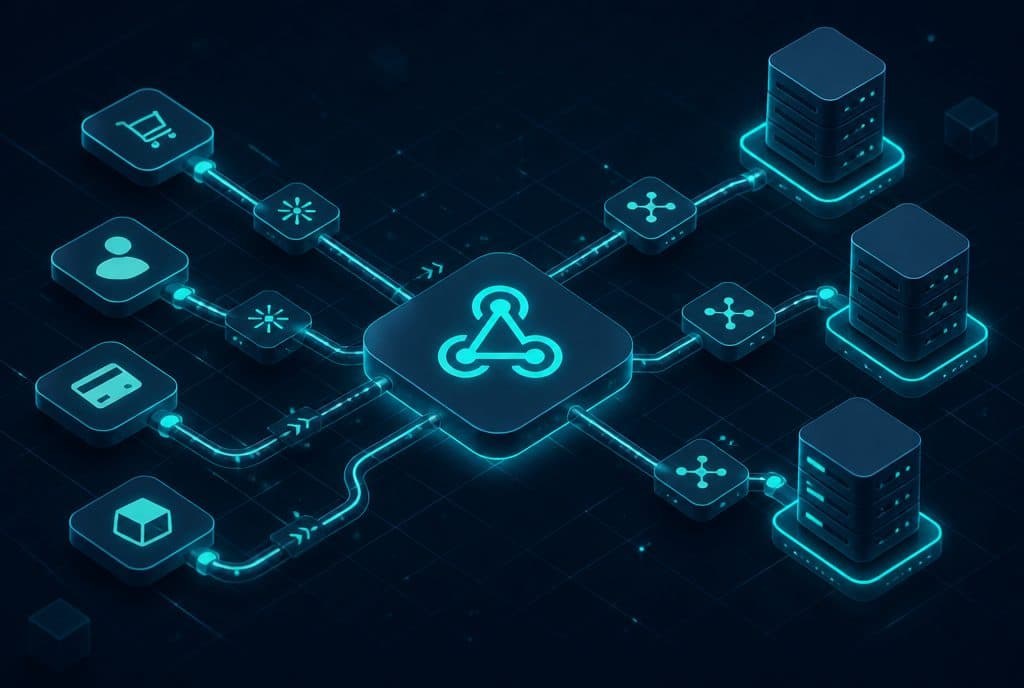
| System Integration | Usually not | Yes—calendar, CRM, WhatsApp Business, ordering system |
| What happens to a lead who responded | Recorded manually afterwards | Automatically recorded in the CRM, receives follow-up |
| When it gets stuck | "I didn't understand" | Transfers to a representative with a summary of the conversation |
| Setup Time | Days to two weeks | One to four weeks |
The simple rule: If you want the customer to get an answer—a chatbot is enough. If you want the conversation to lead to a business outcome (registration, meeting, deal)—that is the job of the AI Agent.
Who is Each Type Suitable For?
Rule-based Chatbot—Suitable when:
- You have a short, fixed list of FAQs (opening hours, address, price list)
- Your customers are looking for information, not complex interaction
- The budget is limited and you want to start with the minimum
AI-based Chatbot—Suitable when:
- You receive diverse questions that are difficult to cover in a rigid menu
- It is important to you that the customer experiences a natural conversation and not a "clunky bot"
- There is rich content that needs to be retrieved—questions about services, products, terms
AI Agent—Suitable when:
- You want the conversation to lead to an action: lead registration, booking an appointment, sending a quote
- There are systems to connect—CRM, calendar, ordering system
- The volume of inquiries is large enough that every lost lead hurts financially
The Limits of a Chatbot—What It Won't Do
It is important to know the limits before deciding:
A chatbot will not change facts—if incorrect details enter its knowledge base, it will spread them with confidence. An AI-based chatbot might generate answers that sound correct but are inaccurate regarding the specific details of your business—if it was not well-trained on your content.
A chatbot does not replace a complex sales call—a customer who is hesitant and requires persuasion, objection handling, and trust-building—needs a human. The chatbot can warm up and filter, not close complex deals.
A chatbot does not operate alone without monitoring—even the best chatbot requires periodic review: unanswered questions, recurring complaints, new scenarios that arose. Without monitoring, the solution becomes outdated.
When to Upgrade from a Chatbot to an AI Agent?
Three signs that show you have reached the limit of the chatbot:
- Leads are falling through the cracks—the chatbot answers, the customer responds, but the registration in the CRM is done manually two days later—and the lead has already gone cold.
- Every conversation ends with "we will contact you"—the chatbot cannot actually book an appointment, so it hands back to manual.
- Overload on representatives—the chatbot filters, but the representative still needs to read every conversation and perform the actions manually.
When you reach this point, an AI agent connected to the CRM and calendar becomes the economical solution—not because the chatbot failed, but because the conversation proved there is value, and now you want to close it automatically.
For a full breakdown of the differences, see What is an AI Agent for Business? The Complete Guide.
Who is an AI-based WhatsApp Chatbot Suitable For?
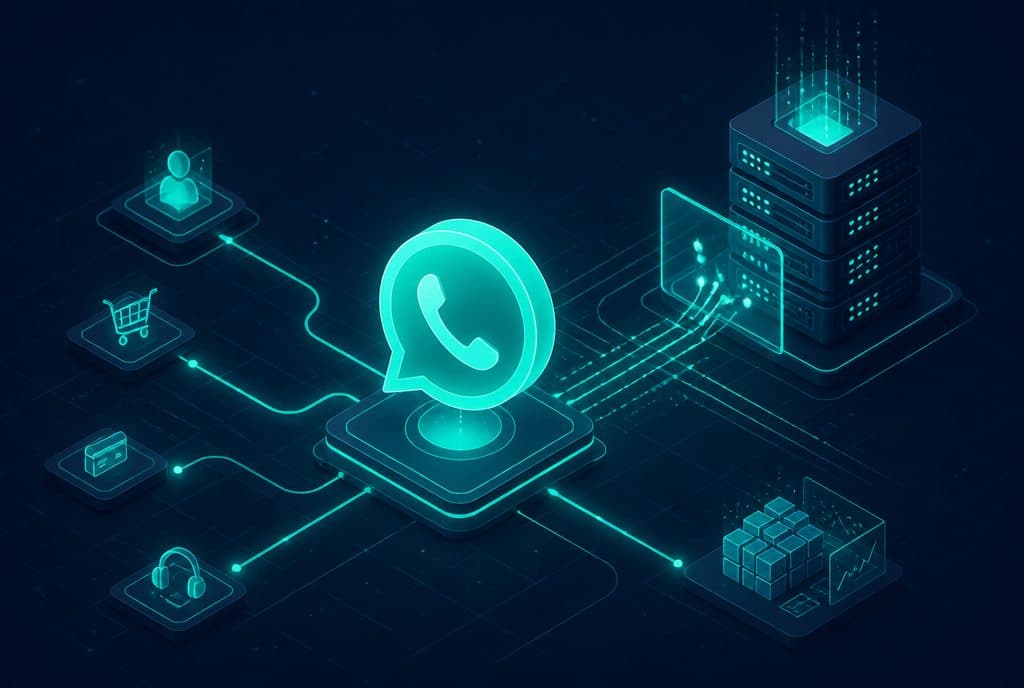
A WhatsApp bot for business is the most common chatbot in Israel in 2026. WhatsApp is the platform where Israeli customers are—open rates on WhatsApp are significantly higher than email.
Businesses that benefit the most from a WhatsApp bot:
- Service providers (plumbers, electricians, trainers, consultants)—answering initial questions and filtering before booking a meeting
- Clinics and doctors—questions about hours, prices, HMOs, and appointment scheduling
- Shops and commerce—questions about inventory, shipping times, return policy
- Education and training—questions about courses, prices, availability of spots
- Real estate—initial filtering of inquiries before the agent speaks with the client
The common thread: repetitive inquiries that consume time, where the answers are known, and that arrive even during hours when it is impossible to answer manually.
CTA—Is a Chatbot Right for Your Business?
If you receive repetitive inquiries and want to answer faster without increasing headcount—yes, a chatbot is probably suitable. If you want the conversation to lead to lead registration, a meeting, or an action—you should consider an AI agent.
We at Automaziot AI build both WhatsApp bots and AI agents—and help you choose what is right for your needs. Talk to us for a short, no-obligation consultation call.
Summary
A chatbot is a tool that streamlines and manages inquiries—not a magic solution. It is excellent when you want to answer FAQs instantly and consistently, filter inquiries before a human representative steps in, and be available 24/7 without the cost of an additional representative. But when the goal is for the conversation to end in an action—booking an appointment, registering a lead, sending a document—the chatbot reaches its limit, and that is where the AI agent takes the baton. Choose the tool according to what you want to happen at the end of the conversation.