AI personalization is a capability that allows a business to send every customer the exact message, offer, and recommendation that suits them—based on their actual behavior, not on guesswork. Instead of a "one-size-fits-all newsletter," each customer receives a message that looks as if it was written specifically for them: a reminder about a product they viewed, a relevant upgrade offer for a service they purchased, or an email that arrives exactly when they are most likely to open it. At Automaziot AI, we connect this capability to small and medium-sized Israeli businesses—without requiring a massive marketing team.
What is AI Personalization?
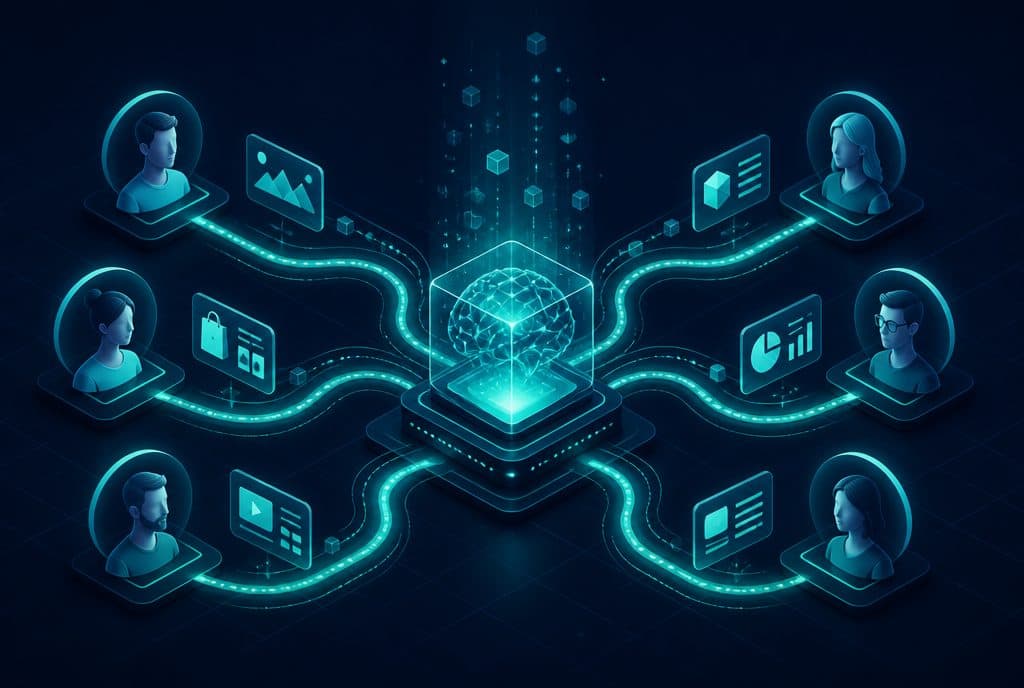
AI personalization (artificial intelligence-based customization) is a process in which a system learns the behavior, history, and preferences of each individual customer—and uses this knowledge to automatically generate a tailored experience, message, offer, or recommendation for them, at a scale that a human alone could never achieve.
Personalization vs. "Segmented" Marketing
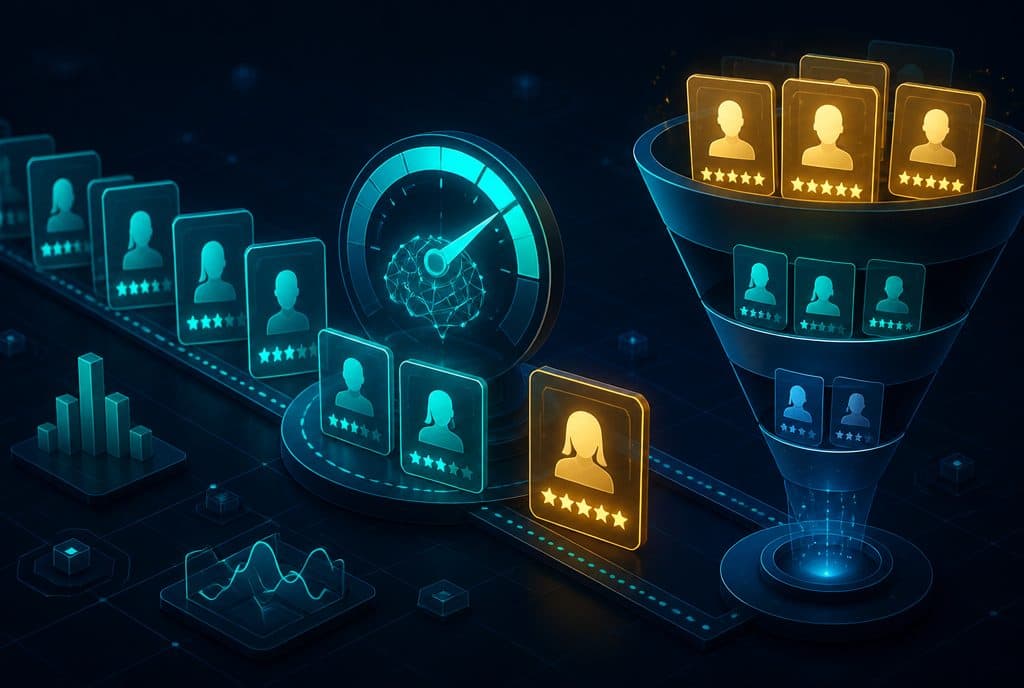
Many businesses already segment their audience: "Customers who bought twice get a discount code." This is a good step—but it is still generic. AI personalization goes one step further: it doesn't just choose "which segment to move this customer to," but builds a unique message solely for them.
| Regular Segmented Marketing | AI Personalization | |
|---|---|---|
| Unit of Work | Group ("VIP Customers") | Each individual customer |
| Basis of Decision | Pre-defined rule | Actual customer behavior |
| Response Time | Manual / Fixed scheduling | Automatic, in real-time |
| Content Creation | One template per segment | Custom message generated for each customer |
| Learning | Does not update without manual work | Improves with every interaction |
What AI Can Personalize in Your Business
Four areas where AI personalization delivers immediate value for small and medium-sized businesses in Israel:
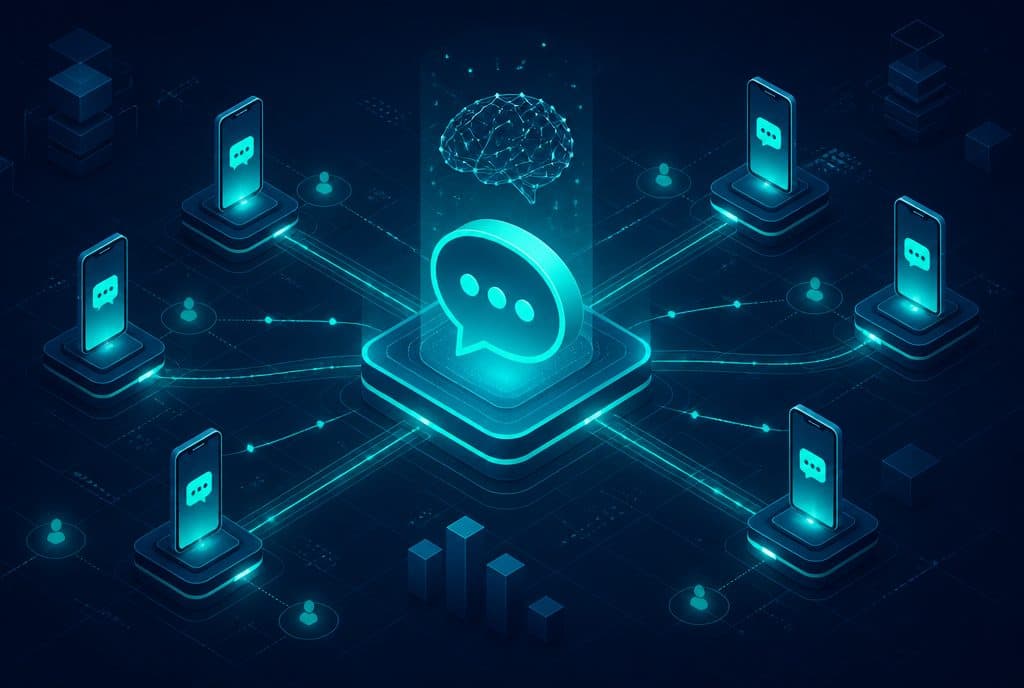
1. Messages and Reminders (WhatsApp / Email) Instead of "Hey, did you see our sale?", the customer receives: "Hello David, we noticed you looked at [Product X] a week ago—we can customize it to your needs, would you like to hear more?" The AI knows the name, the product, and the perfect timing.
2. Product and Service Recommendations After a purchase, the customer receives a recommendation for a complementary service—not a random one, but one that similar customers purchased next. A customer who bought car insurance will hear about life insurance. A customer who ordered a logo design will receive an offer for packaging.
3. Tailored Content in Marketing Communications A newsletter sent to thousands of customers—but each one receives a version that highlights the topic that interests them: Service X, Category Y, or a tip relevant to their industry. The AI assembles the message from pre-made blocks based on the customer's profile.
4. Smart Follow-up Timing When should you send a follow-up to a customer who didn't reply? The AI learns when this specific customer tends to open messages—and sends it at the right time for them, not when it's convenient for the team.
How It Works Behind the Scenes
The infrastructure for AI personalization consists of three layers:
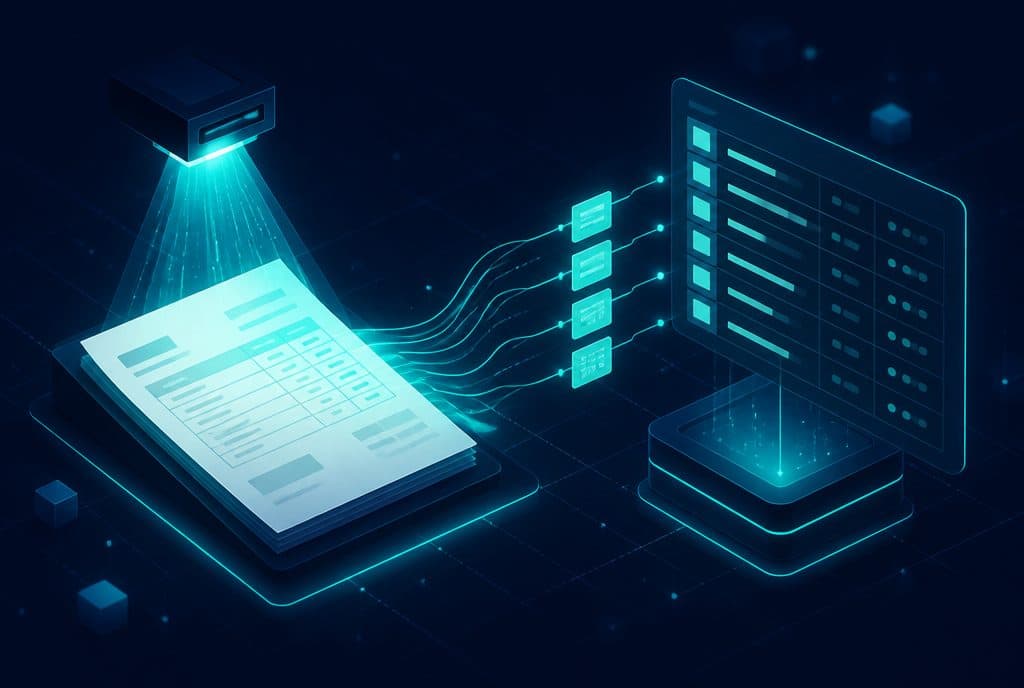
Layer 1: Data—What do we know about the customer? The starting point is the existing CRM: what they bought, when they reached out, what they asked about, and how much they paid. The more complete the data—the more accurate the personalization. You can also connect behavioral data: which product page they spent time on, or which email they opened.
Layer 2: Model—What does the AI decide? A personalization engine (usually a combination of rules you define + a language model) decides: what content to send, when, and in what phrasing. The AI calculates for each customer the likelihood that each action will lead to a positive response.
Layer 3: Execution—Who sends it? The execution is done via n8n and communication channel APIs—WhatsApp, email, SMS. The AI generates the message, n8n executes it, and everything is logged in the CRM for future learning.
Personalization and Privacy: What You Need to Know Under Israeli Privacy Protection Law
AI personalization relies on using customer data—which makes the Israeli Privacy Protection Law directly relevant:
- Explicit Consent: Before using customer details for marketing, the customer must consent to it. This usually happens during registration or purchase.
- Use for the Stated Purpose: If the customer provided details for a specific service, you cannot use them for unrelated marketing without additional consent.
- Clear Opt-Out Option: Every marketing communication must include a clear way to unsubscribe.
- Data Security: Data must be secured and not exposed to third parties without authorization.
The good news: personalization based on what the customer actually did—bought, asked, chose—is generally safe and expected. A customer who purchased a service from you and receives a relevant complementary offer won't be surprised. A customer who receives an offer completely unrelated to anything they shared with you—will.
How to Get Started: Four Practical Steps
Step 1: Map out what you currently know about your customers
Open your CRM—what's in there? Name, phone number, last purchase date, what they purchased. These already enable basic personalization: personal name, mentioning a specific product, and timing based on the purchase date.
Step 2: Choose one channel to start with
Don't try to personalize all channels at once. Start with the channel where your customers are most active—usually WhatsApp. Define one scenario: "A customer who hasn't returned after 60 days gets a personalized message." Only after this works, move on to the next scenario.
Step 3: Connect your CRM to your communication channel
Business automation connects the CRM to communication channels so that information flows automatically: a customer finishes a meeting → CRM updates → n8n sends a tailored follow-up message → the response goes back to the CRM.
Step 4: Define what the AI will not decide on its own
AI personalization shouldn't make every decision without supervision. In the beginning, determine: which messages are sent automatically, and which wait for your approval. As you build trust in the results, you can expand its autonomy.
Which Businesses in Israel Is This Suitable For?
AI personalization is useful for any business that has an existing customer base and potential for repeat purchases:
- Professional Services (CPAs, Lawyers, Consultants)—Customers who come once a year for an annual service? A timely reminder with personal phrasing increases the return rate.
- Clinics and Therapists—Appointment reminders, recommendations for complementary treatments, post-visit follow-ups—all personalized for each patient.
- Retail and E-commerce—Product recommendations based on purchase history, abandoned cart reminders, relevant upgrade offers—see E-commerce Automation.
- Education and Training—Timing reminders based on learner progress, offering complementary courses based on what they have already studied.
- Maintenance Services—A customer who ordered a service a year ago? A reminder for an annual check-up, at a time convenient for them.
Want to understand if AI personalization is right for your business and where is the best place to start? Talk to us and we will map out the scenarios that will yield quick value together.
Summary
AI personalization is not a tool exclusive to giant corporations—it is an approach accessible in 2026 to any business with a CRM and a desire to communicate with its customers in a relevant way. The difference between a "blast message to a list" and a "message written for you" is the difference between a message that gets deleted and one that leads to action. Start with one data point—what the customer bought—and one scenario—what to send next—and build from there. The goal is not to build an entire infrastructure in one day, but to give every customer the feeling that you remember them.
Further reading: