
Creating images with AI allows small businesses to generate product photos, ad visuals, and social media content—faster and at a lower cost than traditional production. The tools are mature enough for ongoing business use, but they do not replace a photographer in every case, and a consistent brand result requires human guidance. In this guide, we will explain exactly when it is worthwhile, what its limitations are, and how to start correctly.
What is AI Image Generation?
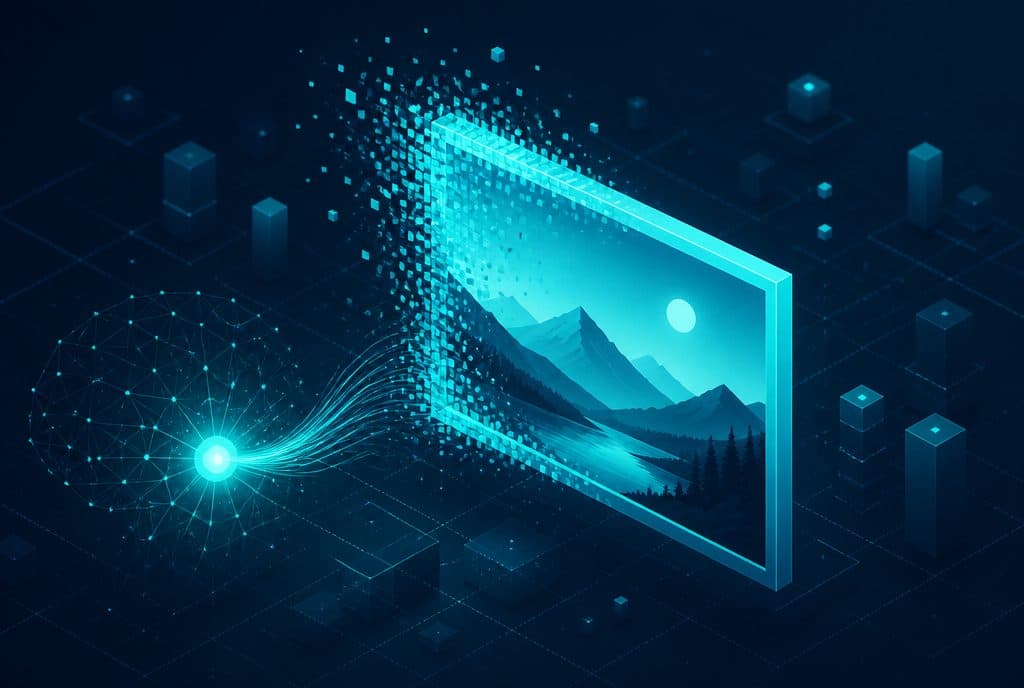
AI image generation is a technology that creates images from scratch based on a textual description you write (a "prompt"). The AI model has learned from billions of images and can combine styles, products, lighting, and backgrounds according to your requirements—without a photographer, without a studio, and within seconds. Unlike editing an existing image, here the image is created entirely from your description.
Where Does AI Image Generation Truly Help a Business?
Before talking about specific tools, it is important to know which use cases are proven to work:
| Use Case | Suitable for AI? | Notes |
|---|---|---|
| Product images on different backgrounds | Highly suitable | Fast variations, low cost |
| Visuals for ad creatives | Suitable | Fast for prototyping and A/B testing |
| Images for social media posts | Highly suitable | High volume, visual consistency |
| Texture details and high-end fashion | Partially | A professional photographer is still preferred |
| Realistic portraits and human figures | Not recommended | Risk of distortions, legal sensitivities |
| Complex food photography | Partially | Depends on the level of precision required |
| Illustrations and graphic artwork | Highly suitable | Great savings on commissioning illustrations |
The simple rule: The more "contextual" the image is (a product in a situation, atmosphere, emotion) and the less "technically precise" (material details, fine texture, physical accuracy), the better AI works.
Three Common Use Cases for Israeli Businesses
1. Product Images—Variations and Backgrounds
A business that sells physical products—clothing, homeware, beauty products—often needs the same product on different backgrounds, in different colors, and in different situations. With AI, once you have taken one original photo of the product, you can generate dozens of variations: "the product on a clean white background," "the product on a wooden table with natural light," "the product inside a gift box." This does not replace the initial photo, but it multiplies what you can get out of it.
2. Visuals for Ads—Fast Creative Testing
When running ads on Facebook, Instagram, or Google, the visual creative is a critical factor. AI allows you to generate 5-10 different visual versions for the same ad—atmospheres, colors, compositions—and test what works before investing in a full production. This makes the A/B testing phase cheaper and more flexible. In our ad management services, such runs help identify what resonates with the target audience much faster.
3. Social Media Content—Volume Without a Large Production Budget
A business publishing on social media needs ongoing visual content—LinkedIn, Instagram, Facebook. Traditional production of several images a week can be expensive. AI allows you to generate visuals for regular posts at a low cost—illustrations, atmospheric photos, conceptual graphics—while maintaining a consistent visual language.
What to Watch Out For
AI image generation is a real tool, but it has limitations that are important to know:
Brand Consistency. AI does not know your brand. Without precise guidance (brand colors, visual style, font), every image will turn out slightly different. The solution: build a permanent prompt template that includes the brand's "language" and use it consistently.
Copyright and Usage Licensing. Not all tools grant full rights for commercial use of the images you generate. It is mandatory to read the tool's terms of use before using the images in paid advertising. Most commercial tools allow this, but you should always verify.
Human Figures—Risk in Israel. Using AI to create figures that resemble real people can be problematic under the Israeli Protection of Privacy Law. The simple rule: do not generate figures that could be identified as a specific person.
Inconsistent Quality. AI can generate an excellent image followed by an image with distortions (hands with six fingers is a cliché, but it still happens). Every image requires human review before use. Do not allow automatic publishing without a reviewing eye.
Precise Product Details. If there is a logo, text, or precise visual detail on the product—AI will generate it incorrectly in most cases. For product images with text on the packaging, you still need a photographer or manual editing.
How to Start—Four Practical Steps
Step 1: Choose a narrow initial use case. Don't try to replace all your visual content in one day. Start with one defined use case: for example, "alternative backgrounds for our main product image."
Step 2: Build a permanent prompt template. Write a description that defines your brand's "visual language"—style, lighting, colors, atmosphere. Save it and do not change it between runs. This is the key to consistency.
Step 3: Run, select, review. Generate several variations, choose the best ones, and review them carefully before use. Have another person check them before publishing.
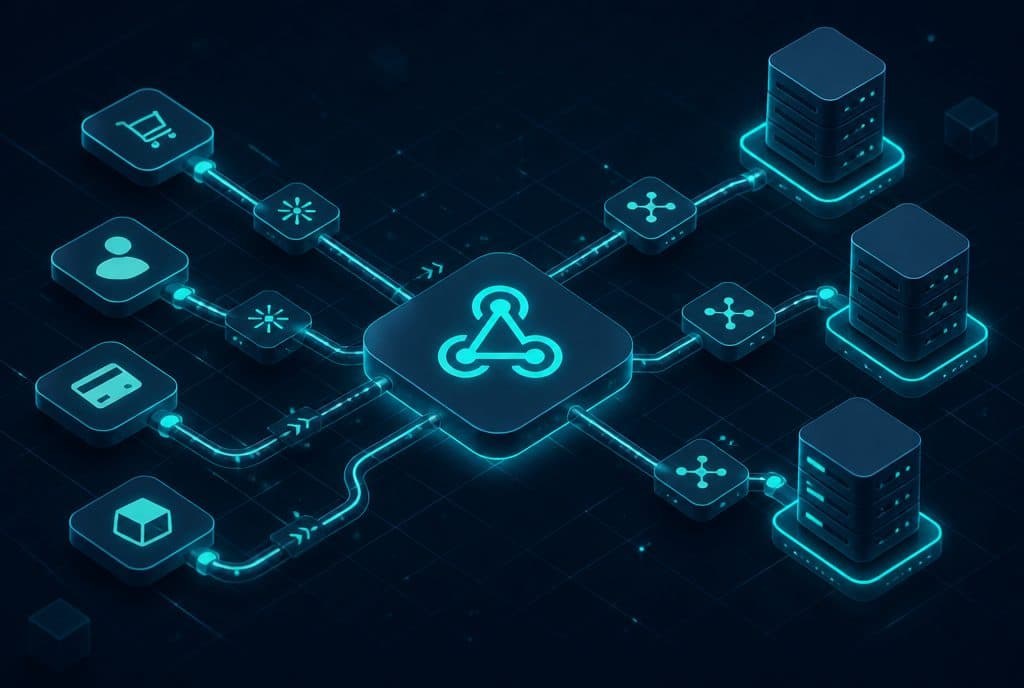
Step 4: Integrate with existing automation workflows. If you are already using n8n to manage workflows, you can integrate AI image generation into automated processes—for example, automatically generating an image for each post based on the written content. In our technological consulting, we help businesses build such workflows.
Questions to Ask Before You Start
- What is the exact use case?—Social media visuals, product photos, ad creatives? Different tools are better suited for different uses.
- What level of precision is required?—An image meant to create an atmosphere versus an image that needs to display precise product details.
- Who will review before publishing?—It is mandatory to define who is responsible for human review before any promotional use.
- What is the commercial license?—Does the tool you chose allow commercial use of the images you generate?
Connection to Generative Content Creation
AI image generation is part of a broader field of Generative AI for Business—technology that generates new content (text, images, code) based on patterns it has learned. If you are interested in the broader question of "what generative AI can do for my business," we highly recommend reading the Comprehensive Guide to Generative AI for Business.
Summary
AI image generation is a practical business tool in 2026—not future hype, but a technology that small businesses in Israel are already using daily for product variations, ad creatives, and social media content. The real advantage is in speed and volume: you can generate many more visual variations in less time and at a significantly lower cost than traditional production.
There are limitations—brand consistency requires precise definition, human figures require caution, and every image requires human review before publishing. But with the right approach—focused use, a permanent template, and review before publishing—it is a tool that adds real value.
Want to integrate AI image generation into your business's marketing workflows? Talk to us for technological consulting—we will build a workflow tailored to your business's size and needs.