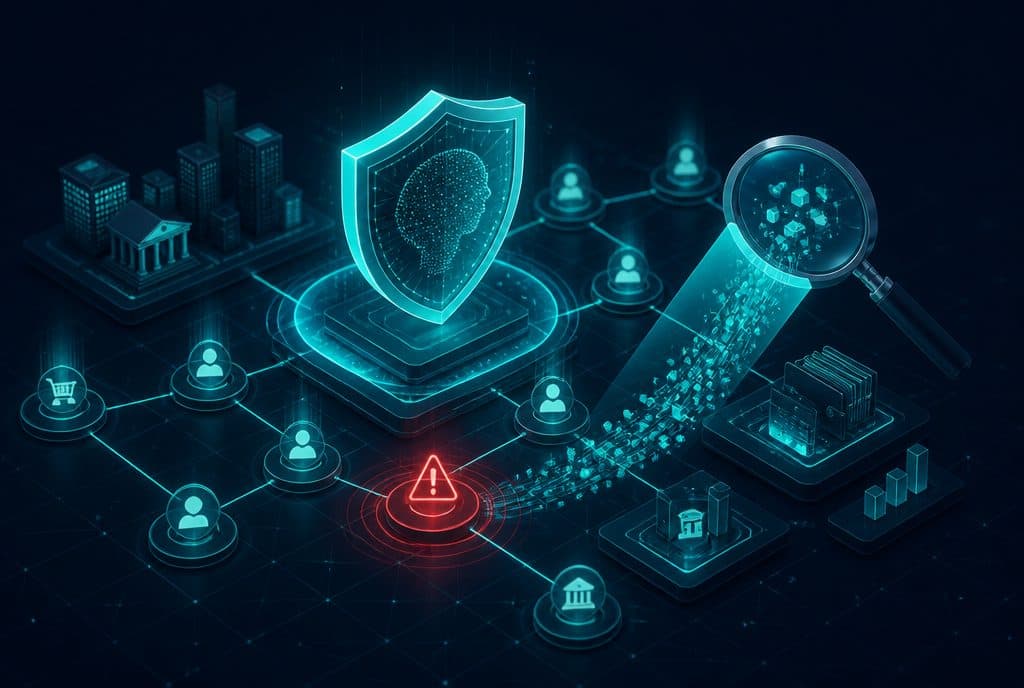


Automation has become an integral part of workflows, and you – as managers or business owners in Israel – are certainly well aware of the benefits: streamlining business automation, saving time, and increasing profitability. However, as automated systems expand, so does the risk of cyber threats. The IBM Cost of a Data Breach report indicates that the average global cost of a data breach still stands at millions of dollars, with long-term consequences for organizations. In automation systems, where data flows between tools like CRM, WhatsApp bots, and artificial intelligence, a single breach can lead to the leak of sensitive customer data or disrupt critical processes.
Recent trends show that cyberattacks on industrial automation systems are on the rise, and organizations experience a high volume of attacks every week. In Israel, where many businesses adopt platforms like N8N to build complex workflows, understanding the risks is particularly important. The "Defense in Depth" approach offers multiple security layers that make it difficult for attackers and minimize damage. In this article, we will review five essential defense layers, accompanied by practical examples from the world of automation, so you can implement them in your business.
The main challenge in automation is the integration between different systems, which creates potential vulnerabilities. A workflow that connects an automated marketing system to a customer database, for example, can be exposed if not properly secured. A significant portion of organizations still suffer from malware threats in their automated systems. Implementing defense layers, therefore, is not just a recommendation – it is a business necessity.
Access Control and Authentication Layer
The first layer focuses on controlling who is authorized to access your automation systems. In businesses using tools like N8N, where workflows access sensitive data, it is essential to implement multi-factor authentication (MFA) and role-based access control (RBAC) mechanisms. Machine identity management – such as API keys in automation – is becoming a major trend, as machines represent a growing share of identities in organizations.
In practice, start by defining users with least privilege: a developer maintaining an automated marketing workflow does not need full access to CRM data. Integrate your existing authentication systems using tools like SAML or LDAP, as recommended in the latest N8N documentation. A real-world example: in an Israeli service company running automation for WhatsApp bots, implementing MFA significantly reduced breach attempts. Remember – a breach in the authentication layer could allow an attacker to trigger a malicious workflow that leaks data.
Data Encryption Layer
Data is the most valuable asset in automation, making encryption a critical layer. When building workflows, ensure that data is encrypted both at rest and in transit. In N8N, for example, use the built-in credential management mechanism to store API keys securely, and rotate them periodically. Organizations that use comprehensive encryption save substantial amounts in breach costs.
In business automation, such as integration between CRM and marketing tools, use protocols like TLS 1.3 to encrypt traffic. A case in point: an Israeli business that implemented encryption in its automated workflows saw a significant decrease in leak risks. Do not forget to encrypt backups as well, to prevent unauthorized access in the event of a failure.
Network Security Layer
Network security protects the infrastructure where automated workflows run. For businesses using open-source platforms like N8N, it is recommended to use firewalls and virtual private networks (VPNs) to isolate the environment. A significant portion of attacks on OT systems stems from a lack of network isolation.
Implement segmentation: separate development networks from production networks to prevent attackers from spreading. If you are building an automation workflow that connects AI agents to external data, for example, use tools like rate limiting to block DDoS attacks. Organizations with advanced network security significantly shorten breach detection times.
Monitoring and Incident Response Layer
Continuous monitoring allows for real-time threat detection. In automation, use tools that monitor workflow logs – such as those in N8N that log suspicious activities. Gartner highlights that by 2026, tactical AI will be used for automated anomaly detection, such as unexpected changes in marketing data.
Set up alerts for unusual activity, such as repeated access attempts. A significant portion of breaches involves a human element, but automated monitoring can minimize this. In an Israeli business that implemented CRM automation, monitoring significantly reduced damage thanks to a rapid response.
Updates and Compliance Layer
The final layer includes regular updates and compliance with security standards such as the Israeli Privacy Protection Regulations or the ISO 27001 standard. In automation platforms, ensure that security updates are installed automatically. A large portion of ransomware attack victims did not update their software in time.
Perform periodic audits to ensure compliance with standards. In N8N, for example, use the built-in workflow audit tools. This will ensure your business is protected and complies with legal requirements.
Summary
Implementing the five layers of defense – from access control and encryption to regular updates – creates a resilient automation system. Data from 2024–2025 shows that organizations with defense-in-depth save millions and reduce risks. And remember: security is not a one-time task but an ongoing process that updates alongside technological evolution.
To conclude, an illustrative example: with automation platforms like N8N, you can build a workflow that connects a CRM like HubSpot to a WhatsApp bot and implements all layers of defense. The workflow will authenticate users via MFA, encrypt data using TLS, monitor suspicious activity, and update automatically – thereby saving time while keeping customer information safe. Such an approach not only protects but also enables secure growth.
Want to secure the automation systems in your business? Contact us for a free technological consultation and we will help you implement the 5 layers of defense within 2-4 weeks.